



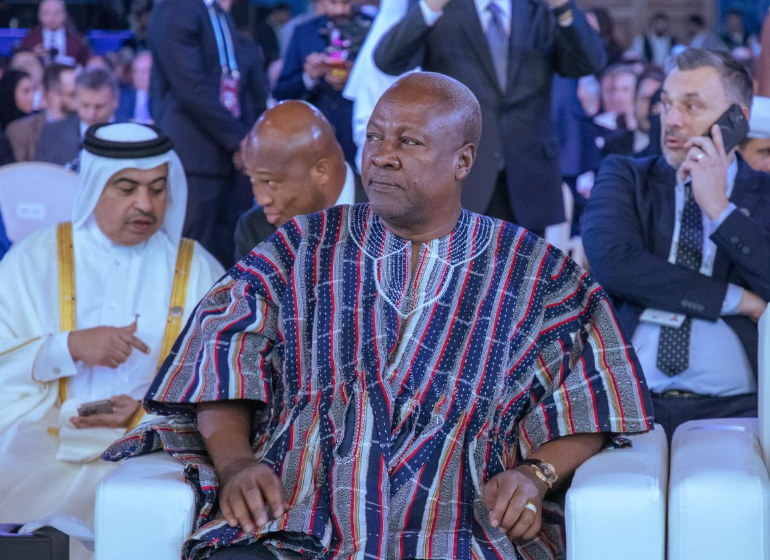
President John Mahama has called for education to be recognized not just as a right, but as the fundamental instrument of justice and the primary social stabilizer.
He said this has become necessary, especially when the world faces conflicts, economic shocks, and climate instability.
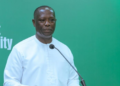
Delivering his speech on “Education as Justice in Times of Crisis” at the 23rd Doha Forum in Qatar on Sunday, December 7, 2025, President Mahama stressed that global crises—from conflict to climate change—do not just destroy infrastructure, “they destroy the dreams of our children.”
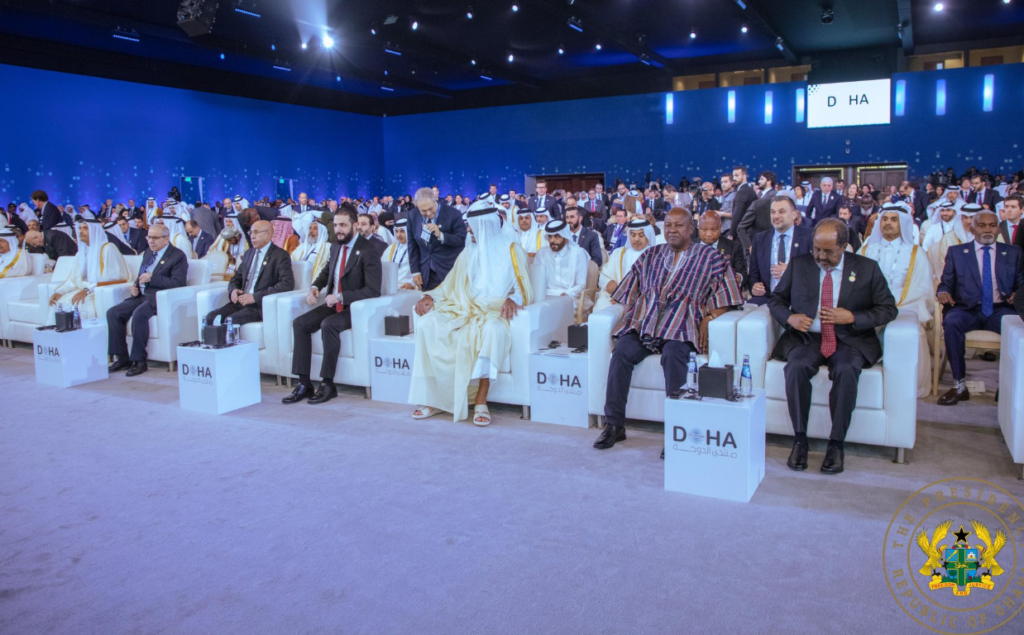
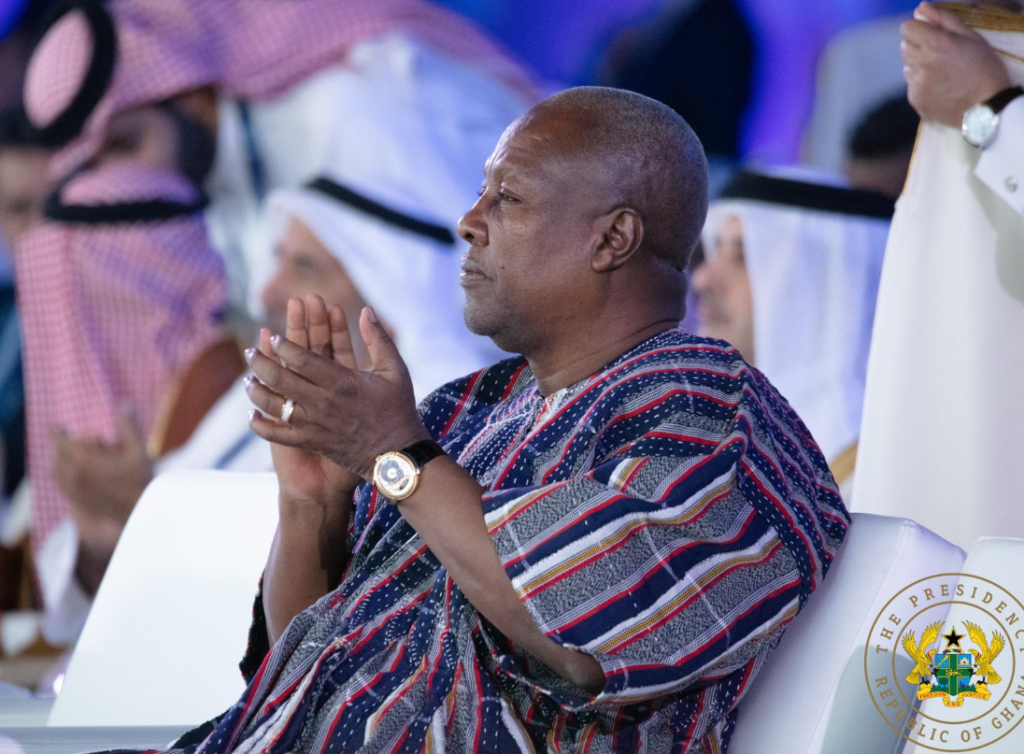
In such times, he argued that “education must become the battleground for justice.”
He referenced Article 25 of Ghana’s 1992 constitution, stating that it is a constitutional declaration that reflects a “universal truth that education is the purest expression of justice, especially in times of crisis.”
This is supported by Article 25, which provides that all persons shall have the right to equal educational opportunities and facilities with a view to achieving the full realization that basic education shall be free, compulsory and available to all.
President Maham noted that the 23rd Doha Forum is taking place at a time when the world is confronted with multiple overlapping crises, conflicts, economic shocks, climate instability, pandemics, and growing social and economic inequalities.
These crises, he said, not only disrupt economies but disrupt childhoods. He said education is considered an act of justice when it ensures uprooted children retain their future, children with disabilities receive support, and learning continues regardless of disasters or pandemics.
To him, education stands as the first line of protection, the most reliable social stabilizer, and the foundation on which long-term recovery can be built.
“And this is why education in emergencies must be seen as life-saving and not optional, he said.
President Mahama urged the global community to commit to actions to ensure education serves as justice in times of crisis.
He urged them, saying, ” First, protecting education budgets in times of crisis. Economic austerity should not begin in the classroom. Integrating education into humanitarian response plans, ensuring safety of schools and the learning environment, accelerating digital inclusion, investing in digital infrastructure, devices and teacher training, supporting teachers as agents of stability and strengthening global partnerships. Our world is changing fast.”
READ ALSO: Over 170 Screened With No Positive Cases as GRASSAG Intensifies HIV/AIDS Awareness at UCC